The Interconnected Web of Betting Platform Mechanics: How Security Protocols Feed Into Performance Indicators and Tactic Validation Zones
Written by Klara Long · Oct 10, 2026
The Interconnected Web of Betting Platform Mechanics: How Security Protocols Feed Into Performance Indicators and Tactic Validation Zones
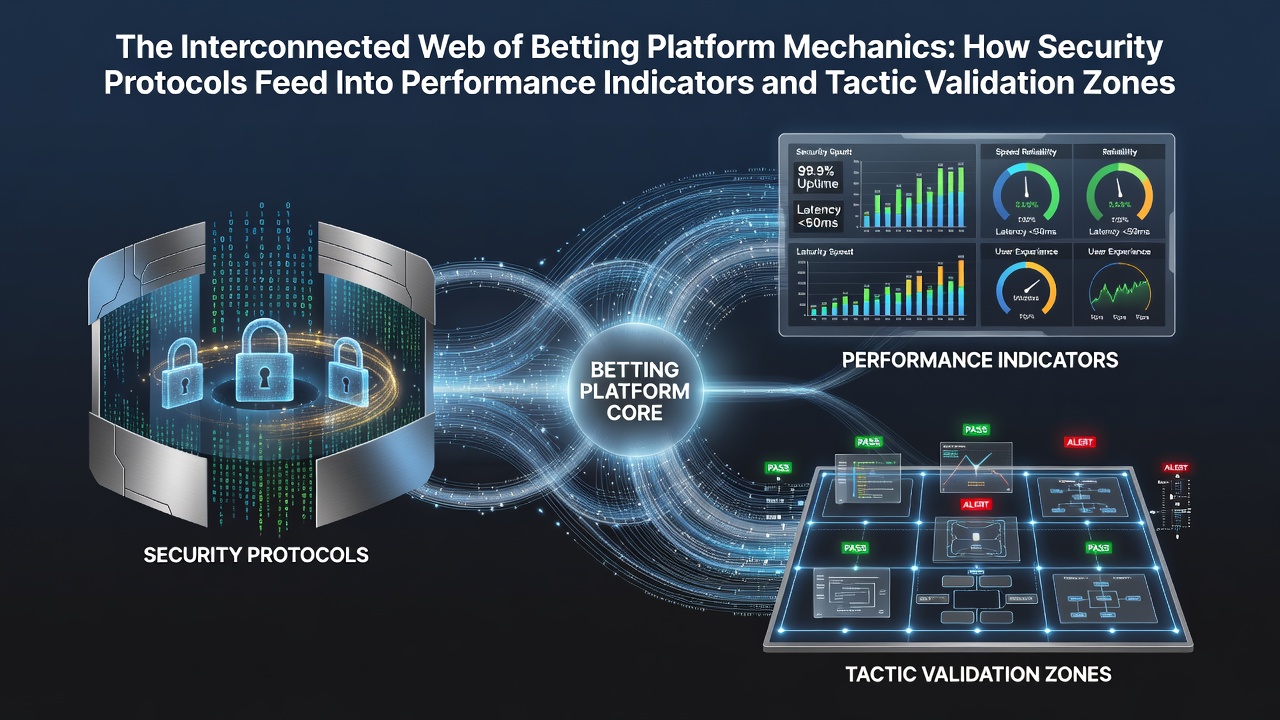
Betting platforms operate through layered systems where security protocols directly influence performance indicators and tactic validation zones, creating pathways that process user data, verify transactions, and measure operational outputs. These connections appear in backend architectures that route encrypted inputs through authentication layers before they reach analytics engines responsible for tracking metrics such as response times, win rates, and user engagement levels. Observers note that platforms built on these foundations maintain separate but linked modules, with security checks acting as gatekeepers that feed validated data streams into performance dashboards.
Security Protocols as Foundational Inputs
Security measures on these platforms include multi-factor authentication, end-to-end encryption, and real-time fraud detection algorithms that scan every incoming request for anomalies. Data shows these protocols generate logs that performance indicators then reference, allowing operators to correlate security events with fluctuations in system speed or transaction success rates. Researchers from institutions like the University of Nevada, Reno have documented how encryption overhead can alter latency figures, which in turn affects the accuracy of tactic validation zones where strategy outcomes undergo testing against historical datasets.
Platforms integrate these elements through application programming interfaces that pass security clearances directly into monitoring tools, and this linkage ensures that any breach attempt triggers immediate adjustments in performance tracking. In October 2026 updates rolled out across several international operators, these interfaces received enhancements that reduced false positives in fraud detection while preserving metric integrity for validation processes.
Performance Indicators Derived from Secure Data Flows
Performance indicators encompass key performance metrics such as average session duration, payout processing speeds, and error rates that surface only after security protocols clear the underlying data. Those who analyze platform operations find that indicators often display patterns tied to prior security validations, with higher encryption standards correlating to slightly elevated but more reliable throughput numbers. Industry reports from the European Gaming and Betting Association highlight how operators use these indicators to adjust server allocations, ensuring that validated tactics receive priority processing without compromising overall system stability.

Validation zones function as dedicated testing environments where proposed tactics undergo simulation against live but anonymized datasets that security protocols have already sanitized. This setup prevents contaminated inputs from skewing results, and the zones output refined performance indicators that operators then apply to production environments. Studies indicate that platforms employing isolated validation areas experience fewer discrepancies between simulated and actual outcomes, particularly when security audits run concurrently with performance reviews.
Integration Points Across Platform Layers
Integration occurs at multiple points, including database query handlers that enforce security rules before releasing data to analytics modules and dashboard interfaces that display combined outputs from both security and performance systems. Operators configure these points to trigger alerts when tactic validation fails security thresholds, which automatically adjusts performance baselines for affected user segments. External audits conducted by firms aligned with standards from the Australian Communications and Media Authority confirm that such integrated designs support compliance across jurisdictions while maintaining measurable improvements in indicator reliability.
Case examples from major operators reveal that when security protocols update to include behavioral biometrics, performance indicators for login success rates and session continuity show corresponding stabilization. Tactic validation zones benefit similarly because sanitized biometric data feeds into simulations without introducing noise that could distort strategy effectiveness scores.
Monitoring and Adjustment Mechanisms
Continuous monitoring systems track the interplay by logging security events alongside performance shifts and validation results in unified databases. These logs enable operators to identify when a new security layer impacts validation accuracy or when performance bottlenecks stem from overly stringent protocol checks. Adjustments follow through automated scripts that recalibrate thresholds, ensuring the web of connections remains balanced across daily operations.
What's interesting is how these mechanisms scale during peak traffic periods, where security protocols prioritize high-risk transactions and performance indicators reflect the resulting load distribution. Validation zones then test tactics under similar simulated loads to predict real-world viability, creating feedback loops that refine both security and performance parameters over time.
Conclusion
The interconnected structure of betting platform mechanics demonstrates how security protocols serve as primary feeders for performance indicators and tactic validation zones through structured data pipelines and validation checkpoints. Operators rely on these linkages to sustain operational consistency, with evidence from regulatory and academic sources confirming measurable effects on system outputs. Continued evolution of these connections supports platform resilience as new technologies integrate into existing frameworks.